
If you haven’t heard yet, Denver Water just made it official: for the first time in more than a decade, mandatory watering restrictions are in effect — and they affect all 1.5 million Denver Water customers, including everyone here in Central Park.
This isn’t a drill, and it’s not just a nudge. These are real rules with real schedules and potential fines if you don’t comply, effective now through April 30, 2027. Here’s everything you need to know, plus some practical ways to do your part this summer.
Why Is This Happening?
It comes down to snowpack — and this winter delivered historic lows.
Denver gets about 90 percent of its water supply from mountain snowpack. As of late March 2026, levels in the two primary watersheds are the worst on record: the Colorado River Basin is at just 55 percent of normal, and the South Platte River Basin is at a startling 42 percent of normal. Denver Water’s reservoirs are currently at 80 percent full, down from the seasonal average of 85 percent.
“We’re 7 to 8 feet of snow short of where we need to be,” Nathan Elder, Denver Water’s manager of water supply, said in the post on Denver Water’s website. Even a historically snowy April wouldn’t be enough to close that gap at this point.
The goal of Stage 1 restrictions is a 20 percent reduction in water use — both to protect the current supply and to prevent the need for stricter Stage 2 restrictions down the road. Denver Water has already signaled that drought pricing (raising prices for high-volume outdoor water use; prices for indoor water used for drinking, for example, would remain the same) could be coming. So the sooner we collectively reduce usage, the better.
The Rules: Know Your Watering Schedule
Here’s the short version of what you need to follow starting now:
Single-Family Homes:
Even-numbered addresses → Water on Thursdays and Sundays
Odd-numbered addresses → Water on Wednesdays and Saturdays
Multifamily, Commercial & HOA Properties → Water on Tuesdays and Fridays only
No matter what, no watering between 10am and 6pm. Water only during cooler parts of the day — early morning or evening — to reduce evaporation and be as efficient as possible.
🚫 Don’t Turn On Your Sprinkler System Yet
This is a big one. Denver Water is urging customers not to turn on automatic irrigation systems until at least mid- to late-May. Grass simply doesn’t need it yet, and running your system in April wastes a significant amount of water.
In the meantime, occasional hand-watering of trees and shrubs is fine if they need it — but hold off on the full sprinkler system until the weather actually calls for it.
Other sprinkler/irrigation rules to keep in mind year-round based on Denver Water’s annual summer watering rules:
- Don’t let water pool in gutters, streets, or alleys
- Don’t let sprinklers spray sidewalks or driveways
- Repair any leaking sprinkler heads within 10 days
- Don’t irrigate during rain or high winds
Practical Tips to Hit That 20 Percent Reduction
The watering schedule is the rule — but there’s a lot more you can do indoors and out to make a real dent. Here are our favorite practical strategies:
Indoors
- Check your toilets first. A running toilet is one of the sneakiest water wasters in your home — for every day a leak goes unfixed, you could be losing hundreds of gallons of water. The good news? It takes about 15 minutes to find out. Drop a few drops of food coloring into your toilet tank, wait 15 to 20 minutes without flushing, and check the bowl. If you see color in the bowl, you have a leak. The most common culprit is a worn flapper, which costs about $5 to $10 to replace at any hardware store. Denver Water also offers free dye tablets — you can request them through their website. For a full step-by-step guide, Lowe’s has a great walkthrough here. Do this in every bathroom — silent leaks are extremely common and easy to miss. And while you’re at it, check for and repair leaky faucets. Need a hand? We have trusted local handyman recommendations — just reach out and we’re happy to share our list!
- Run full loads only. Your dishwasher and washing machine use roughly the same amount of water whether they’re half-full or packed. Wait until you have a full load every time.
- Shorten showers. Even cutting two minutes off your daily shower adds up significantly across a household over a summer.
- Don’t run the tap while brushing teeth or washing dishes by hand — use a basin or just turn the water off between rinses.
Outdoors
- Hold off on turning on the sprinklers until mid- to late-May, as Denver Water recommends. Your grass will be fine.
- Adjust your sprinkler heads so they’re watering your lawn and plants — not the street or sidewalk.
- Add mulch around your plants and trees. A few inches of mulch dramatically reduces moisture loss from soil.
- Consider a rain barrel. Collecting runoff from your downspouts is a great way to water plants for free. Colorado only legalized them in 2016 — for over a century, that rainwater technically belonged to whoever was downstream. Now you’re allowed up to two barrels with a combined 110 gallons, used for outdoor irrigation only. Simple, free, and a small nod to the fact that every drop counts out here. Check out Colorado’s rain barrel rules here.
- Water deeply and less frequently rather than light, frequent watering — it encourages deeper root growth and reduces overall usage.
Denver Water also has an online tool to report water waste if you notice significant violations in the neighborhood. Think of it less as reporting a neighbor and more as protecting a shared resource we all depend on — every gallon counts this summer!
Long-Term
If there’s a silver lining to a drought year, it’s that it’s a great time to rethink your yard. Denver Water is currently offering rebates for turf removal and has a DIY guide for landscape changes worth checking out.
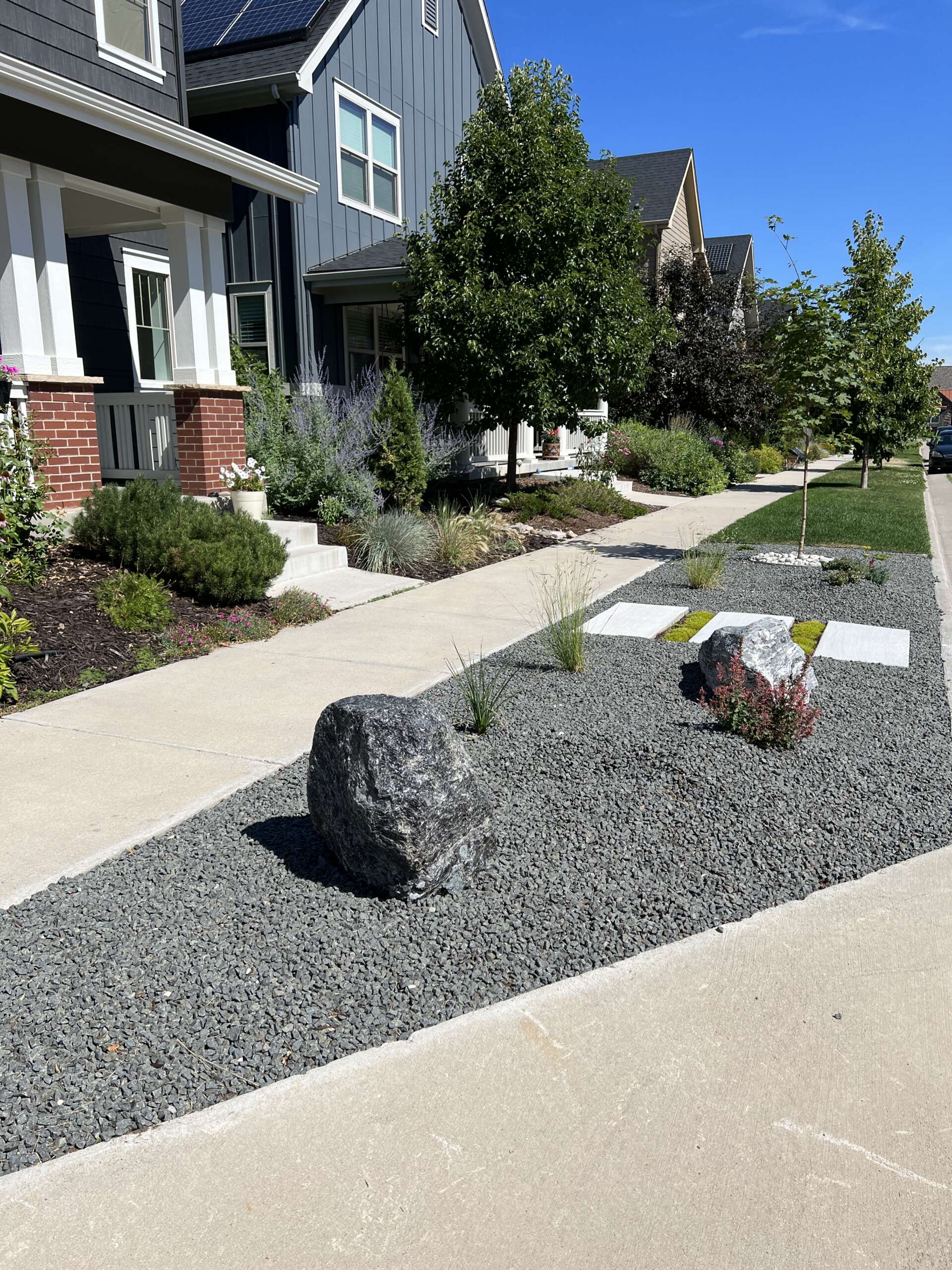
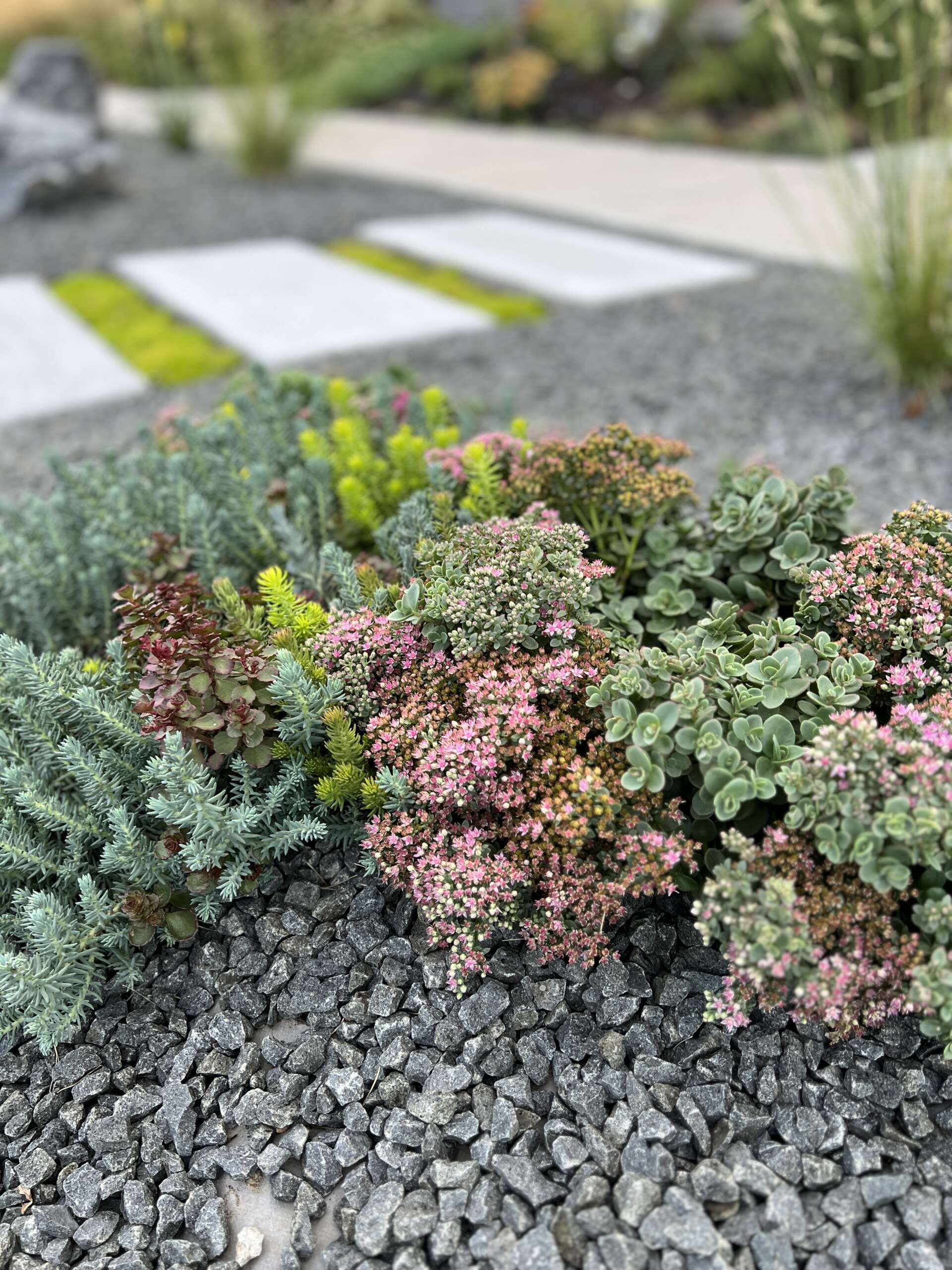
Xeriscaping — landscaping designed for low water use — is not the gravel-and-cactus look it used to be. Done well, it’s lush, colorful, and beautiful year-round. (See my own front yard below — proof that you don’t have to sacrifice curb appeal to go drought-tolerant!)
Some great Colorado-native and drought-resistant plants to consider:
- Blue Grama Grass — a native grass that stays low and loves dry conditions
- Russian Sage — stunning purple blooms, nearly indestructible
- Black-Eyed Susans — cheerful, drought-tolerant, and pollinator-friendly
- Agastache (Hyssop) — colorful and beloved by hummingbirds
- Penstemon — native, vibrant, and thrives in dry Colorado summers
Denver Water also offers rebates on high-efficiency sprinkler heads if you’re upgrading your irrigation system. You can find all their rebate programs at denverwater.org/rebates. For the most up-to-date information, bookmark Denver Water’s Water Watch Report and their drought response page.