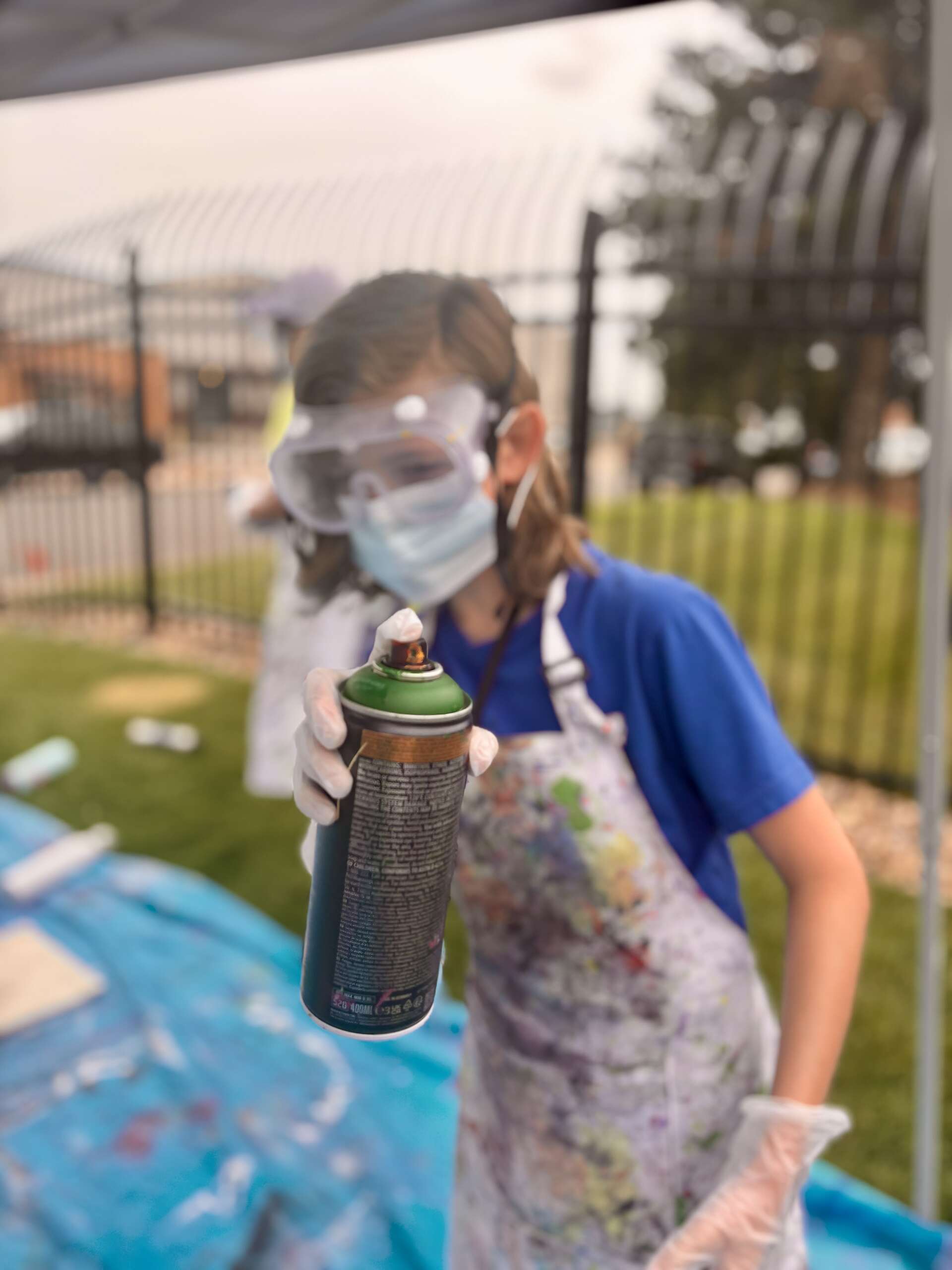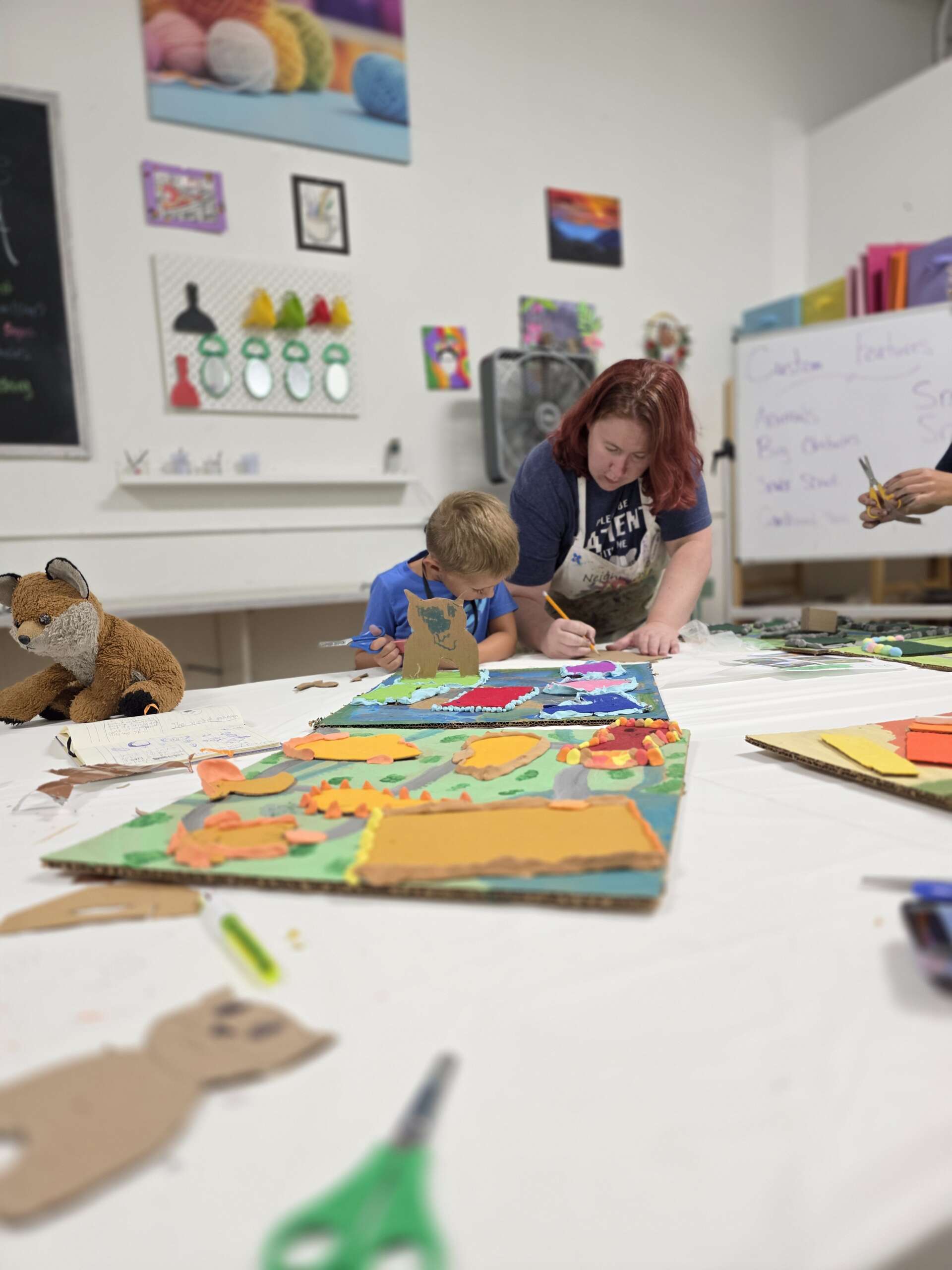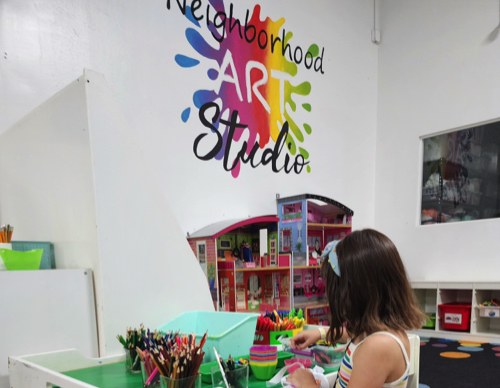

When people think about art summer camp, they usually picture colorful paintings, clay sculptures, and craft projects. While those creative outputs are certainly exciting, they’re only a small part of what makes these camps so valuable. Behind the scenes, art summer camps play a powerful role in helping children develop life skills, emotional awareness, and social confidence. In many cases, the benefits that have nothing to do with the final artwork are the ones that last the longest.
Here’s a deeper look at five meaningful ways art summer camps help kids grow beyond creativity.
1. Builds Confidence Through Exploration
One of the most important aspects of art camp is the freedom it provides. Unlike traditional academic settings, where answers are often right or wrong, art environments encourage experimentation. Kids are invited to try new techniques, explore unfamiliar materials, and follow their curiosity without fear of failure.
This kind of open-ended exploration helps children become more comfortable with uncertainty. They begin to trust their instincts and feel proud of their efforts, not just the outcome. Over time, this builds a strong sense of self-confidence that extends beyond the class environment. A child who learns to take creative risks is more likely to speak up in class, try new activities, and approach challenges with a positive mindset.
2. Strengthens Social Skills
Art summer camps are naturally social spaces. Whether kids are working on their projects, sharing supplies, or discussing ideas, they are constantly interacting with others. These interactions help children develop essential communication skills, such as listening actively, expressing their thoughts clearly, and respecting different perspectives.
For some kids—especially those who may feel shy or introverted—art provides a comfortable way to connect with others. Conversations often start naturally around shared activities, making it easier to form friendships. Over time, campers learn how to be supportive of each other’s efforts, resolve small conflicts, and build relationships based on mutual respect and creativity.
These social experiences can have a lasting impact, helping children feel more confident in group settings both in and out of school.
3. Encourages Problem-Solving and Critical Thinking
Even though art camps focus on creativity, they are full of opportunities for problem-solving. Kids frequently encounter challenges that require them to think critically: How do I make this structure more stable? What can I do if my original idea isn’t working? How can I use the materials I have in a different way?
These moments encourage flexible thinking and adaptability. Instead of giving up when something doesn’t go as planned, campers learn to adjust, rethink, and try again. This trial-and-error process builds resilience and teaches kids that setbacks are a normal—and valuable—part of learning.
Over time, these problem-solving skills become second nature. Children begin to approach challenges in other areas of life with more creativity and confidence, knowing they can find solutions even when things don’t go perfectly.
4. Promotes Emotional Expression and Well-Being
Art camps create a safe and supportive environment where kids can express themselves freely. Even when they’re not consciously trying to communicate emotions, the creative process often becomes an outlet for their thoughts and feelings.
This can be especially important for children who struggle to express themselves verbally. Through creative activities, they may process emotions, relieve stress, and gain a better understanding of their inner world. The relaxed, non-judgmental atmosphere of camp helps them feel accepted and understood.
In addition, being engaged in hands-on, immersive activities can be calming and therapeutic. It allows kids to focus on the present moment, which can reduce anxiety and improve overall well-being. These emotional benefits often carry over into daily life, helping children feel more balanced and self-aware.
5. Teaches Collaboration Over Competition
In art camp, there’s no single “best” outcome. Every piece is different because every child sees the world differently.
This naturally shifts the focus away from competition and toward appreciation. Children learn to notice what they like in others’ work, offer encouragement, and share ideas. They begin to value creativity as something personal rather than something to compare.
These moments help build empathy, respect, and a sense of community—skills that are just as important as any academic subject.
While creating art is certainly a highlight of art summer camp, it’s only part of the story. Art summer camps help children build confidence, develop social connections, think critically, process emotions, and appreciate different points of view..
These are skills that extend far beyond the class or studio. Long after the paint has dried and the projects have been packed away, the personal growth that happens at art camp continues to shape how children see themselves and the world around them.
In the end, it’s not just about what kids create—it’s about who they become in the process.
Ready to check out Neighborhood Art Studio’s 2026 summer camps. You can do that here and below is my contact info if you have questions. Happy creating!