
March is Colorectal Cancer Awareness Month, and tomorrow is “Dress in Blue Day”, a simple way to raise awareness for a disease that is affecting more and more young people.
Colorectal cancer is now the deadliest cancer for people under 50, yet it remains underfunded and underdiscussed while rates continue to rise.
For many people, it is still thought of as an “older person’s disease.” But that is no longer the reality.
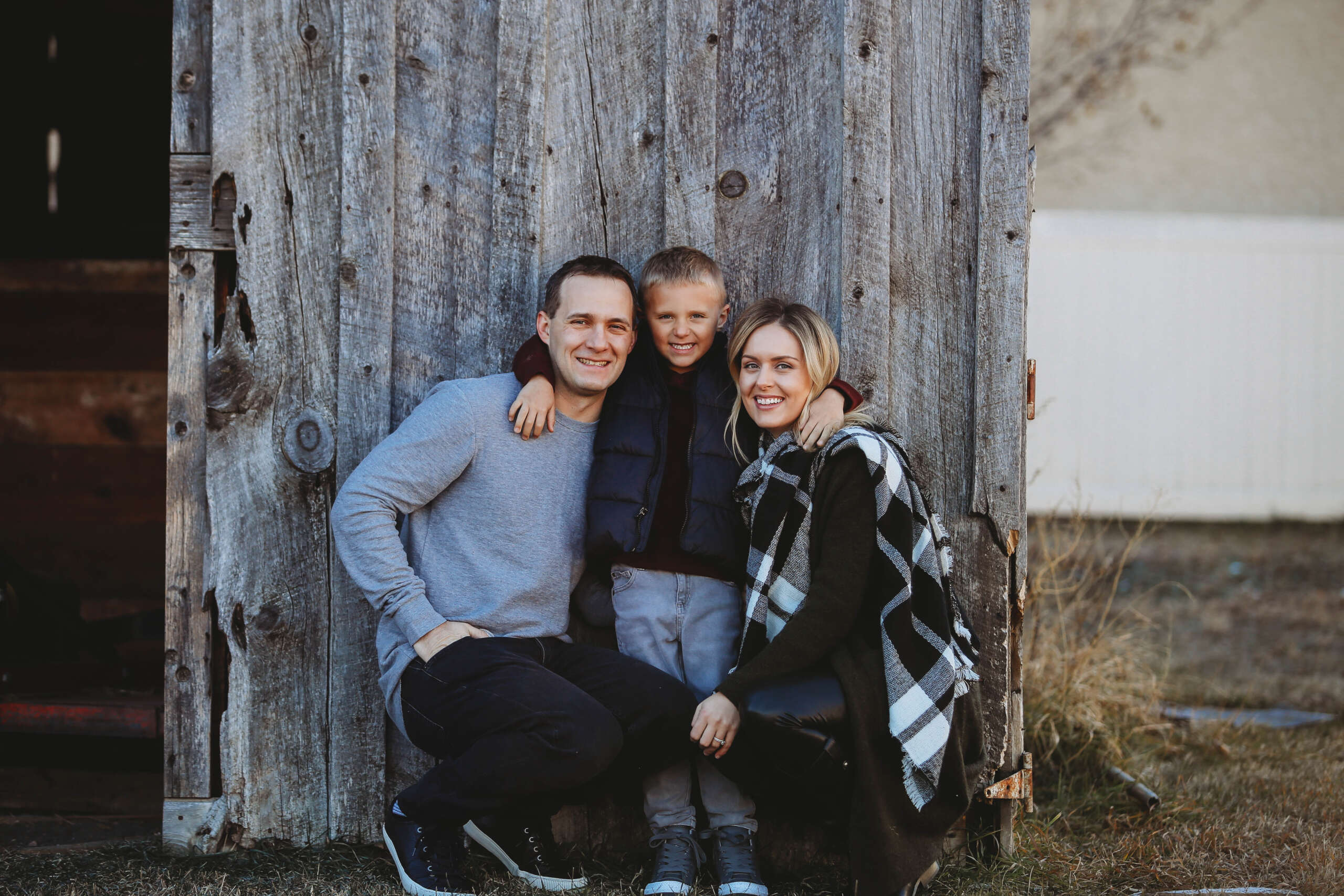
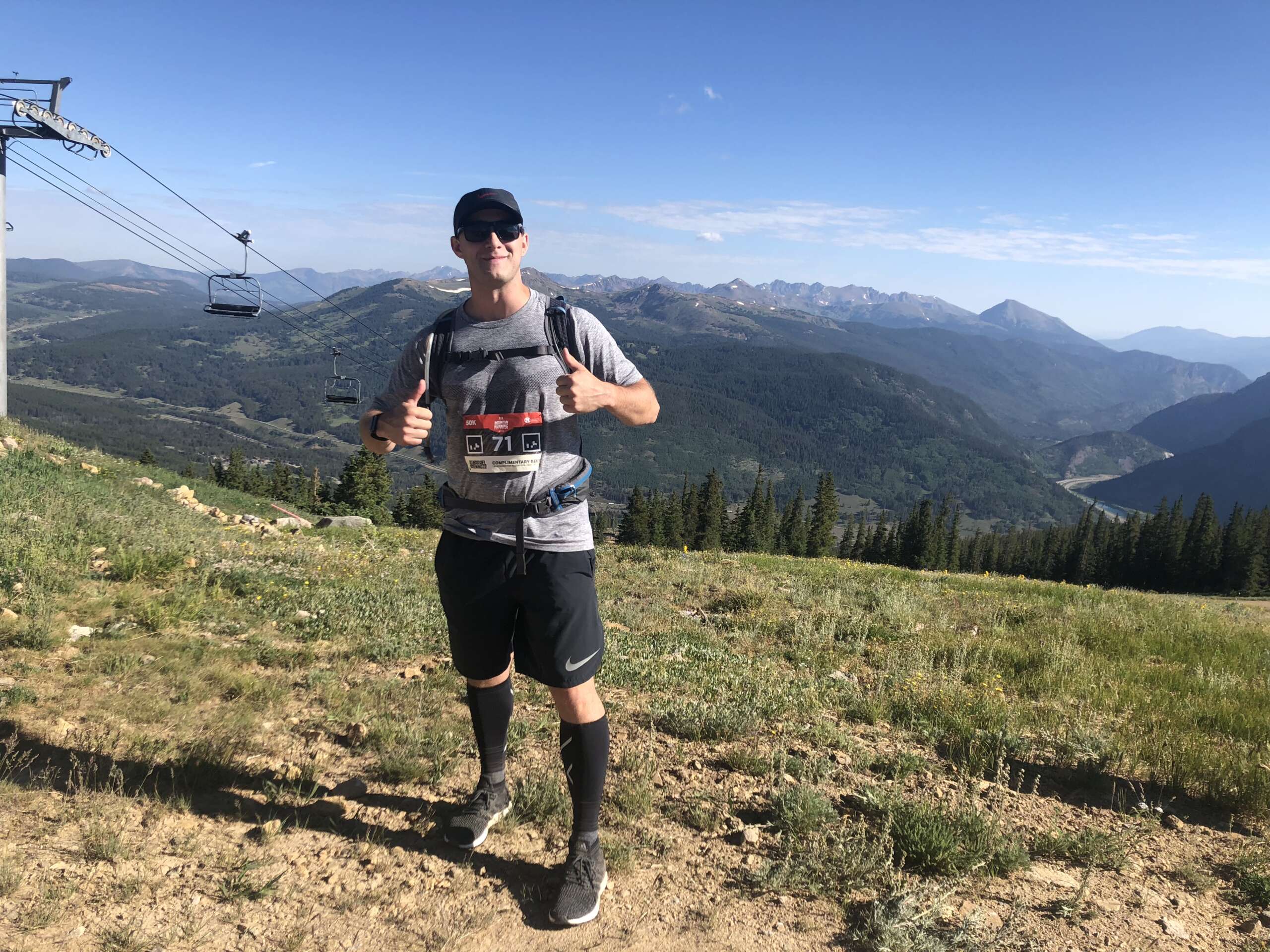
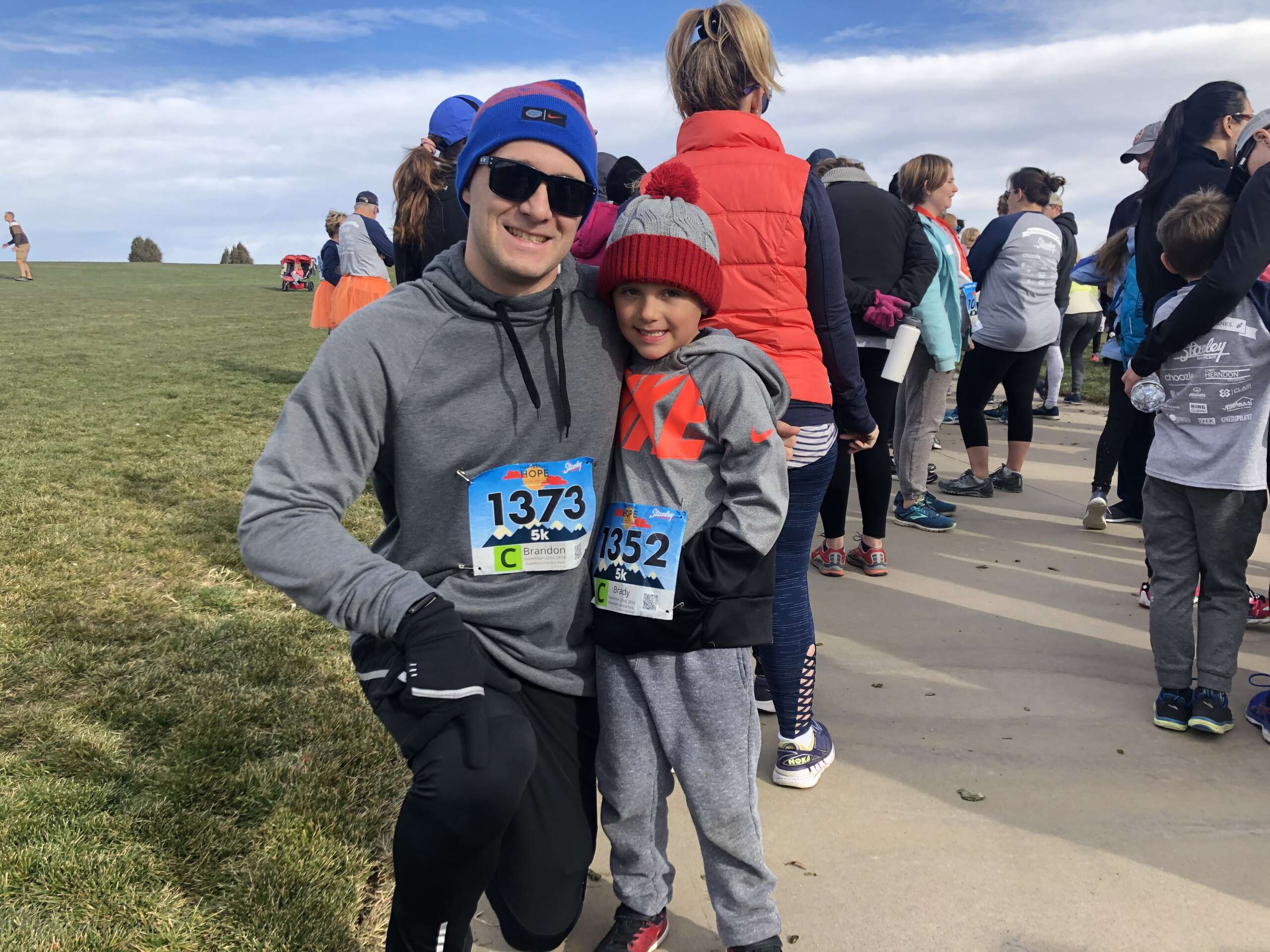
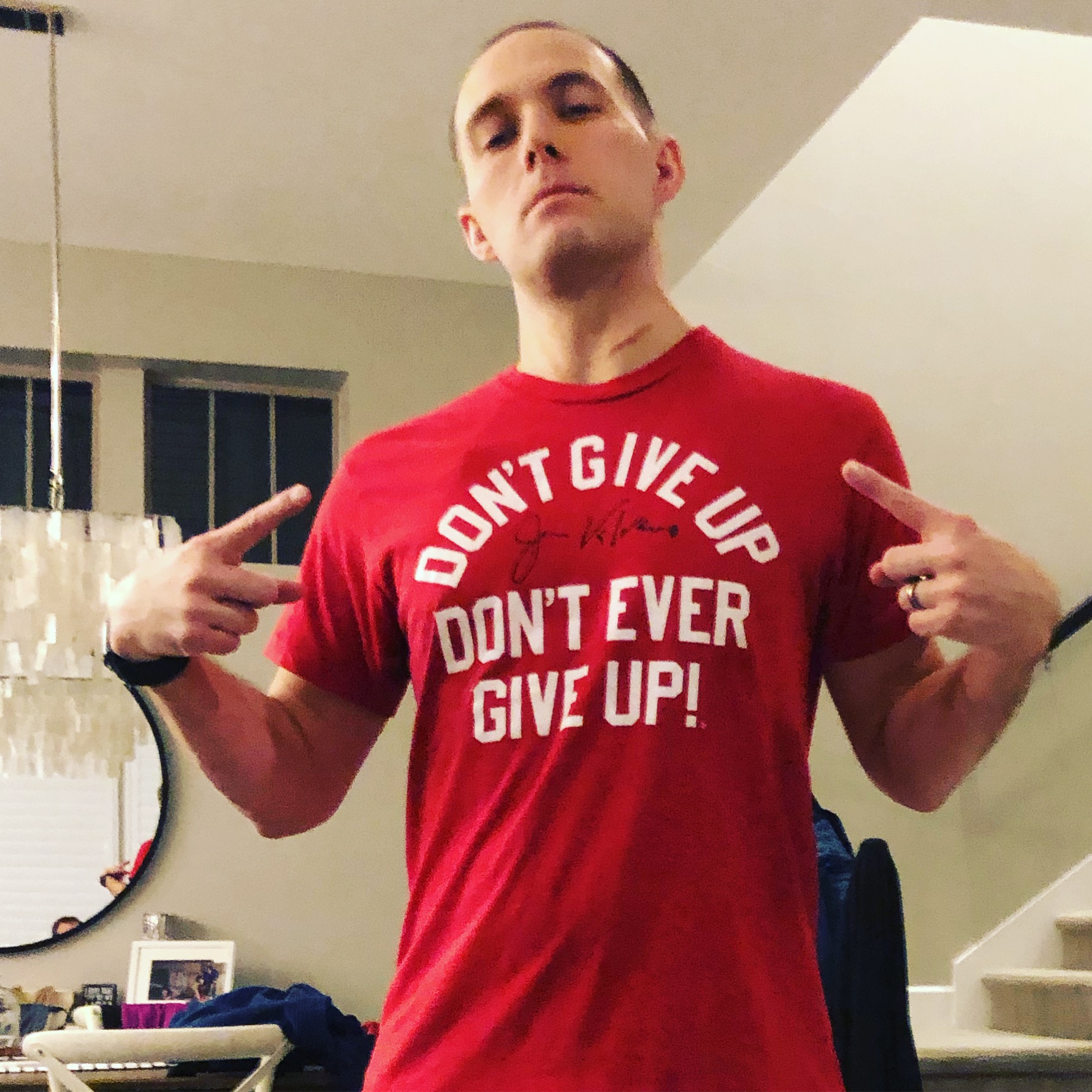
This issue is deeply personal for me. My late husband Brandon was diagnosed with Stage IV colon cancer in 2019 at just 37 years old. He was a healthy marathon runner with no family history of the disease.
He died less than six months later from this terrible disease.
Our son Brady was six years old at the time.
I share Brandon’s story to raise awareness and honor him, because if talking about what happened to our family helps even one person get screened earlier, then his story continues to make a difference.
When Brandon passed away, our Central Park community rallied around our family in ways I will never forget. Some neighbors may remember Brady’s lemonade stand the day after Brandon died, raising money and awareness for cancer research.
You can see the story here:
Since Brandon’s death, I have made it my mission to help spread awareness and reduce the stigma around colorectal cancer.
Because the truth is simple. We all have butts! Right?! Let’s normalize talking about this!
Talking about colorectal cancer should not feel uncomfortable. Conversations like these can literally save lives.
What people should know
Colorectal cancer is one of the most preventable cancers because screening can detect precancerous polyps before they turn into cancer.
Current guidelines recommend screening starting at age 45 for people at average risk, yet millions of Americans who should be screened are not.
Part of the hesitation is understandable. Insurance coverage can be confusing (here is one breakdown of laws around coverage). The most comprehensive screening method, a colonoscopy, involves unpleasant prep, taking time off work, and for many people anesthesia. While colonoscopies are considered low-risk, it is still a medical procedure.
But here is why screening is worth it.
Colonoscopies and other screening tests do not just detect cancer early. They can actually prevent cancer by finding and removing precancerous polyps before they ever become cancer.
In other words, screening can stop colorectal cancer before it starts. That makes colorectal cancer one of the only cancers where screening can actually prevent the disease, not just detect it.
Here are a few important facts many people do not realize:
– 1 in 3 adults ages 45 to 75 are not getting screened as recommended. (CDC)
– More than 20 million Americans who should be screened have not been. (CDC).
– The number of colorectal cancer patients diagnosed under age 55 has nearly doubled in recent years, rising from 11% in 1995 to 20% in 2019. (American Cancer Society).
– By 2030, early onset colorectal cancer is expected to increase by more than 140%. (American Cancer Society)
– 50% of Americans don’t know colorectal cancer screening can be done at home. Screening options include simple, noninvasive tests that you can complete privately at home.
This is why awareness and early screening matter so much. Please talk to your doctor to see what test is right for you, or take this short quiz to get a personalized recommendation at getscreened.org.
Symptoms to watch for
Knowing the warning signs can also help people seek care sooner. Symptoms can vary, but some common warning signs include:
• Blood in stool
• Persistent abdominal pain or cramping
• Changes in bowel habits
• Unexplained weight loss
• Fatigue or anemia
• Feeling like the bowel does not fully empty
Many people with colorectal cancer initially dismiss their symptoms as something minor. If something feels off, it is important to advocate for yourself and talk to a doctor.
Why awareness matters in Central Park
Over the years, I have come to realize how many people in our community have been affected by colorectal cancer. It is far more common than most people realize.
I know families here who have faced diagnoses, treatment, and loss. I have seen children lose parents, spouses lose partners, siblings lose siblings, parents lose children, and friends lose people they love.
This disease leaves a ripple effect that touches entire families and communities.
Central Park is also a relatively young community. The median age here is about 38, and roughly 60% of residents are between the ages of 25 and 64. That means thousands of people in our neighborhood are in the age range where awareness, early screening, and paying attention to symptoms can make a life-saving difference.
How you can help
Tomorrow is Dress in Blue Day, part of Colorectal Cancer Awareness Month.
You can help by:
• Wearing blue
• Starting conversations about screening
• Sharing information with friends and family
• Encouraging loved ones to get screened and making sure you have been screened!
To learn more and take action, check out some of the organizations doing incredible work in the colorectal cancer community:
Colorectal Cancer Alliance
Colontown
I am always happy to be a resource if anyone has questions or needs support.
Thank you for reading, for spreading awareness, and for helping normalize conversations about this preventable disease.
And thank you to this incredible Central Park community for the support you showed my family and continue to show so many others.
💙 Amanda Campbell